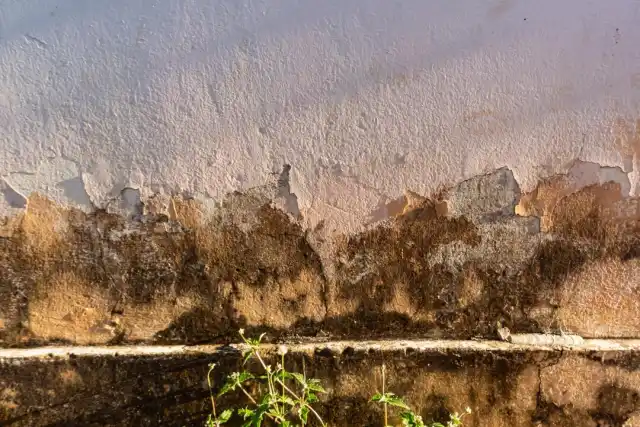
Wet & Dry Rot Treatment

Wet rot and dry rot are timber decay that follows damp. The survey finds the soft, cubed, or fruiting wood and the water is stopped, or the rot returns. It is for houses in England, Scotland, and Wales. Send the quote form or WhatsApp with where the timber sits.

Wet & Dry Rot Treatment

Included and excluded

Wet & Dry Rot Treatment

Wet rot

Wet rot stays in timber that is wet. Joist ends, window frames, and plates next to a leak or a damp wall are typical. It does not march across dry masonry looking for more wood.

  • Soft, darkened timber
  • Local to the damp
  • The leak or damp wall is the repair
  • Sound timber next to it can stay

Dry rot

Dry rot is a fungus that can travel through masonry to find more timber, once it has a moisture source. A fruiting body, grey strands, or deep cuboidal cracking need a wider inspection than a single skirting.

  • Can spread beyond the wet patch
  • Masonry in the path is part of the survey
  • Still needs the water stopped
  • Not diagnosed from one photo

What the work is

Open up, cut out timber that has lost its strength, preserve what is sound, and repair the damp. Dry rot adds a search of the adjacent masonry and concealed timber.

  • Cause first
  • Replacement where strength is gone
  • Preservative on timber that remains
  • Making good the openings

What this is not

A spray over painted timber is not a rot repair. Floor sanding is not this service. A plumber is the right trade if the only defect is a live leak and the wood is still sound.

  • Not furniture
  • Not a cosmetic stain treatment
  • Not injection of a wall that has no rising damp

Signs on the building

Wet & Dry Rot Treatment

Joists in damp walls

The end in the pocket fails first. Wet rot is the usual finding. The pocket and the wall damp are both in the quote.

  • Opened at the bearing
  • Replaced if soft
  • Wall damp stopped

Under floors

A musty floor and a springy board can be a wet oversite or a leaking pipe. The boards come up where the survey cannot see.

  • Solum and air bricks
  • Plumbing if that is the water
  • Not assumed to be dry rot

Window and door frames

Wet rot in a sill is often failed paint and rain, not a damp-proof course issue.

  • Local splice or replacement
  • The joint that lets rain in
  • Decorated after the repair is dry

Behind plaster

Dry rot strands can sit between plaster and masonry. If the survey suspects that, the opening-up is wider than a joist end.

  • Agreed before we open
  • Adjacent timber checked
  • Plaster made good

Wet rot or dry rot

Wet rot stays where the timber is wet. Dry rot can travel to find more timber. The survey names which one before the opening-up is priced.

  • Named in the report
  • A wider opening if dry rot is suspected
  • Not priced as the same job

The damp that fed it

Treating the timber and leaving the moisture in place fails again. The wall, the leak, or the void ventilation is in the same quote.

  • Source stopped
  • Quoted with the timber
  • Not a spray on a still-wet joist

How It Works

The pattern of decay decides how far we open up. A photo is not that decision.

1

Separate wet rot from dry rot

The pattern of decay decides how far we open up.

2

Find the water

Leak, rising damp, rain, or a wet oversite.

3

Cut out what has failed

Timber that has lost its strength is removed past the decay.

4

Treat what remains and the masonry path

Preservative is specified for the timber left in place.

5

Put new timber in the dry

New wood is not returned to a wall or oversite that is still wet.

6

Guarantee the rot treatment specified

The treatment named in the written quote carries a 30-year guarantee.

Pricing Plans

The price follows how far the decay has gone, how much building has to be opened, and the damp repair. Dry rot usually costs more than local wet rot because the inspection is wider. A single “spray” price does not describe either job.

  • Wet rot in one area, or dry rot that has spread
  • Opening up and making good
  • Replacement timber
  • The leak or damp repair beside it

Wet & Dry Rot Treatment FAQs

Questions that decide whether this is the right job.

Wet rot stays with the wet timber. Dry rot can show strands or a fruiting body and needs the surrounding masonry checked. We confirm it on site, not from the name on a stain.

It comes back if the timber stays damp. The quote includes stopping that water.

No. Opening up follows the decay. A whole-floor strip is specified only when the survey shows it is needed.

It is a reason to survey promptly, especially if timber nearby is soft. Do not sand it off and paint it. Send a photo with the form and we will book the inspection.

Book a damp survey

Tell us the floor, whether it follows rain, and the postcode. The quote follows the survey.

Get Your Free Quote

Related damp work

Areas we cover

Surveys run in Kent, Cardiff, and Glasgow, and in the other counties and towns on the areas page.

Kent, Cardiff, and Glasgow

Contact Us

Name the room, the floor, and what the wall is doing. WhatsApp takes the same details.

Thank you for your message! We will get back to you soon.
Something went wrong.