What it is
Moisture from the ground moves up the wall by capillary action. It is not rain coming through higher up, and it is not steam from a bathroom.
- Ground-floor walls
- A tide mark
- Powdery salts
- Plaster that has lost its key
Rising damp is groundwater drawn up a masonry wall when the damp-proof course is missing, has failed, or is bridged by high ground. It is for houses and smaller buildings in England, Scotland, and Wales with a ground-floor tide mark, salts, or blown plaster. Send the quote form or WhatsApp with the floor and the postcode.
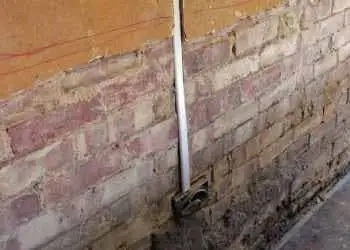
Rising Damp Treatment
Moisture from the ground moves up the wall by capillary action. It is not rain coming through higher up, and it is not steam from a bathroom.
A low damp patch is often a bridged course: soil, a patio, render, or a path sitting above the original damp-proof course. Injection does nothing useful until that bridge is removed.
If the course itself has failed, a chemical damp-proof course is formed in the mortar bed and the salt-contaminated plaster is replaced with a salt-resistant system.
A new damp-proof course does not fix condensation, a leaking gutter, or a plumbing leak. Those keep the wall wet after the injection.
Rising Damp Treatment
A horizontal line, often with salts above the skirting, is the pattern people search for. It is still checked, not assumed.
Groundwater leaves hygroscopic salts in the plaster. They keep pulling moisture from the air after the wall itself is drier.
If the outside ground is higher than the damp-proof course, the wall is being wetted from the side. Lowering that ground is the repair.
Timber skirting and the plaster behind it are often the first things to break down. They are replaced where the salts have reached, not painted over.
Rising damp is a ground-floor pattern. A stain on an upper floor is rain, a leak, or condensation until the survey says otherwise.
A breast can hold salts when the flank walls look drier. It is included when the salts are there, not left as a gap.
Meters, salts, and the outside of the wall decide whether this is rising damp, rain coming through, or condensation.
Meters, salts, and the outside of the wall decide whether this is rising damp, rain coming through, or condensation.
High ground, render, or a blocked cavity is dealt with before anyone drills a new course.
Where the original course has failed, a chemical damp-proof course is installed in the mortar bed.
Contaminated plaster comes off to the height the salts have reached, and a salt-resistant system goes back.
A solid brick wall about 230mm thick commonly takes months to dry after the moisture is stopped.
The treatment named in the written quote carries a 30-year guarantee.
The figure moves with the metres of wall, how high the salty plaster has to come off, the wall thickness, and whether the outside ground has to be lowered. A quote that is only “injection” is not the same job as injection plus replastering. Published UK price guides disagree with each other for that reason, so a number given before the survey is not a quote from us.
Questions that decide whether this is the right job.
No. Bridged courses, leaking rainwater pipes, and condensation at floor level copy the look. The survey is there to separate them.
A kit cannot tell you whether the course is bridged or whether the plaster is full of salts. A wrong diagnosis leaves the wall wet and the tide mark in place.
A solid brick wall about 230mm thick commonly takes months to dry after the moisture is stopped. Thicker walls take longer. Do not finish with a vinyl paint while the wall is still drying.
The written quote names what the 30-year guarantee covers. Ask for the replastering to be on that quote if you want it included.
It is our 30-year guarantee on the treatment named in the quote. We do not describe it as an insurance-backed guarantee.
A dehumidifier can help a room dry. It does not replace a failed damp-proof course or remove salts from the plaster.
Tell us the floor, whether it follows rain, and the postcode. The quote follows the survey.
Get Your Free QuoteA new horizontal barrier, formed with chemical injection, to stop moisture rising in the wall.
Learn more about Damp Proof Course InstallationSalt-contaminated plaster comes off the treated wall, then the wall is replastered and finished.
Learn more about Salt Neutralisation & ReplasteringA damp survey with moisture meters and thermal imaging, so the cause is known before any work.
Learn more about Damp Survey & Moisture ReportSurveys run in Kent, Cardiff, and Glasgow, and in the other counties and towns on the areas page.
Name the room, the floor, and what the wall is doing. WhatsApp takes the same details.