Condensation Control Systems

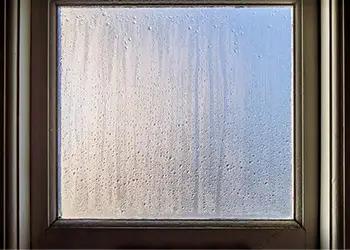
Condensation is moisture from indoor air settling on cold glass, corners, and walls, usually in the heating season. It is for houses and flats in England, Scotland, and Wales where black mould returns and there is no tide mark or rain stain. Send the quote form or WhatsApp with the room and the postcode.

Condensation Control Systems

Included and excluded

Condensation Control Systems

What it is

Warm moist air from cooking, showers, drying clothes, and breathing hits a cold wall or pane and turns to water. The wall is not taking up groundwater.

  • Winter and unheated rooms
  • Glass, lintels, and external corners
  • Behind wardrobes on outside walls
  • Black mould rather than white salts

What actually helps

The moisture load has to fall and the cold surfaces have to warm up. That is ventilation and how the home is heated, not a new damp-proof course.

  • Extract when cooking and showering
  • Do not dry clothes on radiators
  • A gap behind furniture on outside walls
  • Background heat in the rooms that mould

When a system is specified

If everyday ventilation is not enough, the survey can specify extract fans or a positive-input unit. The quote names the unit and the rooms.

  • Fan to the outside, not into a loft void
  • Trickle vents that are actually open
  • A unit only after the damp type is confirmed
  • Mould cleaned once the surface can stay dry

What this is not

A mould spray on a wall that stays wet grows back. Condensation treatment does not replaster a salt-contaminated rising-damp wall.

  • Not a chemical damp-proof course
  • Not a cure for a leaking roof
  • Not a medical treatment

Signs on the building

Condensation Control Systems

Bathrooms and kitchens

Short bursts of steam need air leaving the room. A fan that recirculates, or a window that is never opened, leaves the moisture indoors.

  • Run the fan during and after the steam
  • Close the door to the rest of the house
  • Check the fan actually extracts

Bedrooms

Cold external walls and closed trickle vents are a common pattern. Mould behind the bed is a cold-surface problem.

  • Move large furniture off the outside wall
  • Keep a low heat overnight
  • Wipe and then stop the moisture, in that order

Windows

Water on the glass in the morning is condensation. It does not, by itself, mean the damp-proof course has failed.

  • Pools on the sill
  • Mould on the seal
  • Ventilation before any injection

Unheated rooms

A spare room with the radiator off becomes the coldest surface in the house. Moisture from the rest of the home ends up there.

  • Low background heat
  • Doors left shut trap moisture if there is no extract
  • Check for a leak only if one patch stays wet in summer

Drying laundry

Clothes on radiators and indoor airers load the room with moisture. The wall is not taking up groundwater.

  • Not a wall defect
  • Dry in a room that extracts
  • Mould follows the extra moisture

Extract fans

A fan that spins but does not vent outside leaves the steam in the house. The survey checks the duct, not only the switch.

  • Duct to the outside
  • Run-on after the steam stops
  • Not a recirculating unit

How It Works

We look for cold-surface mould and rule out salts, a tide mark, and an outside defect.

1

Confirm it is condensation

We look for cold-surface mould and rule out salts, a tide mark, and an outside defect.

2

Cut the moisture you can cut

Drying clothes indoors, blocked vents, and fans that do not extract are fixed before a unit is sold.

3

Specify ventilation if the room still cannot cope

Extract or a positive-input system is quoted only for the rooms the survey has measured.

4

Clean the growth

Mould is removed once the surface is not being wetted every night.

5

Check the pattern next winter

Condensation is seasonal.

6

Guarantee the system named

The treatment named in the written quote carries a 30-year guarantee.

Pricing Plans

The quote changes with how many wet rooms need a fan, whether a whole-house input unit is justified, and how much mould-damaged decoration there is. A damp-proof course is the wrong line on this quote. Everyday habits are part of the result and are not a substitute for a fan that does not extract.

  • Number of rooms that stay cold and mouldy
  • Fans that are missing or ducted badly
  • A whole-home unit if room fans are not enough
  • Decoration that has to be made good

Condensation Control Systems FAQs

Questions that decide whether this is the right job.

Not if the mould is condensation. The course does not reduce the moisture in the air or warm a cold corner.

No. Rising damp leaves salts and a low tide mark. Condensation leaves black growth on cold surfaces, often upstairs or on glass.

Use the extract fans, do not dry washing on radiators, and pull furniture slightly off outside walls. If the mould returns, the survey is the next step.

We deal with the damp surface and the moisture that feeds the mould. We do not give medical advice.

Book a damp survey

Tell us the floor, whether it follows rain, and the postcode. The quote follows the survey.

Get Your Free Quote

Related damp work

Areas we cover

Surveys run in Kent, Cardiff, and Glasgow, and in the other counties and towns on the areas page.

Kent, Cardiff, and Glasgow

Contact Us

Name the room, the floor, and what the wall is doing. WhatsApp takes the same details.

Thank you for your message! We will get back to you soon.
Something went wrong.